From College Planning to Career Success at Uplift
From College Planning to Career Success at Uplift
From College Planning to Career Success at Uplift
From College Planning to Career Success at Uplift
From College Planning to Career Success at Uplift
From College Planning to Career Success at Uplift
From College Planning to Career Success at Uplift
Don't miss our breakout sessions!
Book time with our team on-site!
Our team is excited to meet you. Book a time that works best.

Building a College and Career Readiness System Focused on Long-Term Economic Mobility in Texas
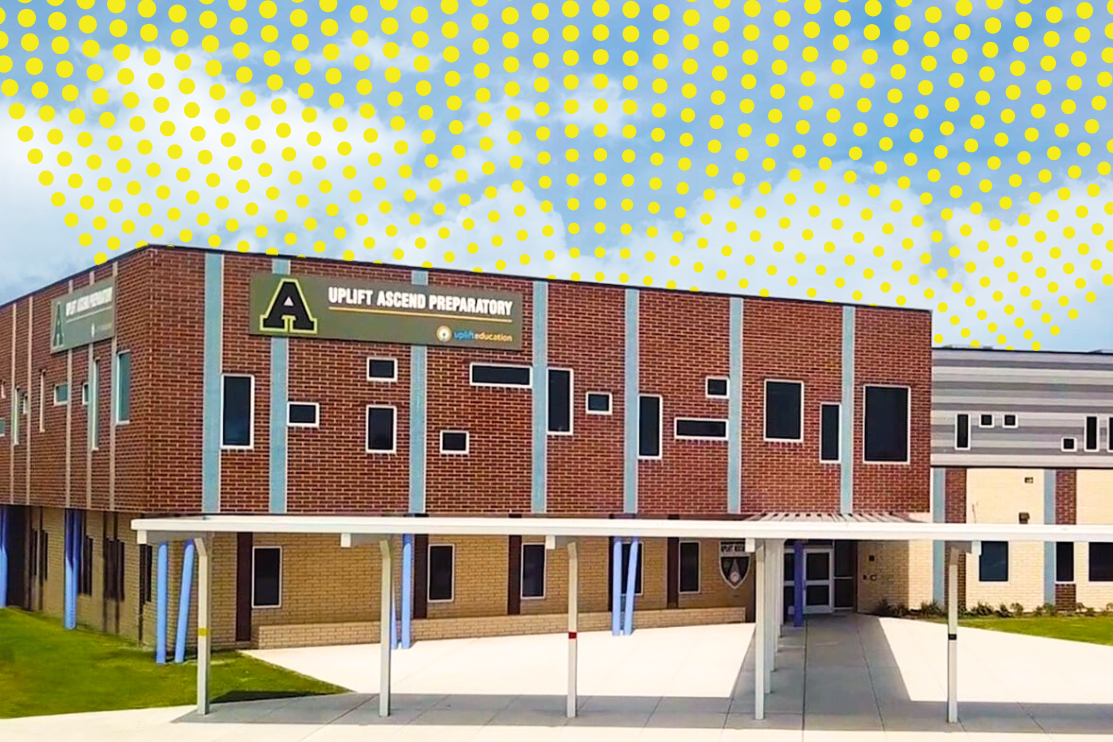
Uplift Education was established in 1996 with a single school in Irving, Texas. Today, it has grown into the largest public charter school network in North Texas, serving more than 23,000 students across 20 campuses throughout the Dallas-Fort Worth metro area. This includes 13 secondary campuses spanning grades 6-12, where the network's Road to College and Career program supports students as they prepare for life after high school. Serving primarily first-generation college students and students from low-income families, Uplift views postsecondary success not simply as an educational outcome, but as a pathway to long-term economic mobility.
That commitment is woven throughout the network's mission: to create and sustain public schools of excellence that empower students to reach their highest potential in college and the global marketplace while inspiring a lifelong love of learning, achievement, and service. The vision extends well beyond high school graduation. Uplift has established ambitious goals that 70 percent of graduates will earn a college degree within six years of graduation and that 90 percent will earn an economically viable postsecondary credential leading to a living-wage career.
Rather than viewing college and career readiness (CCR) as a collection of isolated programs, Uplift has intentionally built a comprehensive system that supports students before, during, and after high school. Students engage in career exploration, college planning, and workforce preparation throughout their secondary experience, while dedicated alumni success and career services continue supporting graduates as they navigate college, credential attainment, and entry into the workforce. This long-term approach reflects a fundamental belief that success is measured by whether students ultimately build lives of opportunity and economic stability, not just where they go on their next step after graduation. As Abby Kaiser, Senior Director of College and Career Preparation for Uplift, explained, "We're trying to help our students find not just their best-fit postsecondary plan right after high school, but helping them find a plan that's going to set them up for a living-wage career down the line."
Kaiser leads Uplift's Road to College and Career team and has spent the past decade helping build the network's college and career readiness strategy. After beginning her career as a college counselor, she served as an assistant principal and Dean of College Preparation before moving to the district office to coordinate this work across all 13 secondary campuses. These experiences give her a unique perspective on both the day-to-day realities facing schools and the systems needed to support students across the network. As Uplift's college and career readiness efforts continued to expand in scale and sophistication, district leaders recognized the need for technology that could support an increasingly comprehensive vision. They sought a platform capable of connecting the many components of their Road to College and Career strategy into a cohesive, student-centered experience.
Building a Cohesive System to Match a Comprehensive CCR Vision
By the time Uplift began evaluating new college and career readiness platforms, its Road to College and Career program had evolved into a comprehensive, network-wide system supporting students from middle school through postsecondary transition. The technology supporting that work, however, had grown increasingly fragmented. Over time, the network had accumulated multiple platforms to manage course planning, graduation plans, CCMR tracking, college applications, financial aid, and other aspects of college and career readiness, creating unnecessary complexity for students and staff. And for more than a decade, Uplift had relied on a separate platform to manage college applications. Although deeply embedded in counselors' work and housing years of historical student data, district leaders recognized that it no longer reflected the breadth of their evolving vision.
The decision to transition was not made lightly. Over a four to six month period, leaders carefully evaluated whether a new platform could better support the network's long-term goals. Two priorities ultimately drove the decision. First, Uplift needed a platform flexible enough to support its unique approach, including programming that extends beyond high school graduation through alumni success and career services. Second, leaders wanted to replace a patchwork of disconnected systems with a single, comprehensive platform.
Uplift also made the selection process intentionally collaborative and inclusive. Counselors, academic leaders, and other stakeholders across the network participated in demonstrations, explored each platform firsthand, and evaluated how well the tools aligned with the realities of supporting students every day. Veteran counselors, in particular, played an important role in asking practical questions grounded in years of experience and helping ensure the district selected a solution that would work in practice. Throughout that process, SchooLinks consistently demonstrated that it could bring the network's CCR work together in one place. For Uplift, the transition represented an opportunity to create a more cohesive experience for both educators and students.
The impact was immediately apparent for students. Rather than navigating multiple disconnected platforms, they now access nearly every aspect of their college and career planning through a single sign-on experience. As Kaiser noted, students already expect one portal to access the digital tools they use for learning. Extending that same simplicity to college and career readiness allows them to spend less time navigating technology and more time planning for their futures. As Kaiser noted, "Now it's like they click one button and they can get to most everything that they need for college and career planning."
Building Early Buy-In and Supporting Continuous Improvement
Because implementing a new college and career readiness platform would affect counselors across all 13 secondary campuses, Uplift recognized that successful adoption depended on building ownership long before deployment. The involvement of counselors and other frontline staff in the selection process made a tremendous early difference. Kaiser noted that earning the support of these experienced counselors created important momentum heading into implementation. Uplift officially launched SchooLinks last July. The district brought the SchooLinks team on-site to provide in-person training for approximately 75 counselors across the network. Because many participants had already explored the platform, they were able to share their experiences with colleagues, helping build confidence throughout the group. For Kaiser, who began her career as a college counselor, those voices were especially important. While she understood the work firsthand, she also recognized that today's counselors are navigating a rapidly changing landscape impacted by evolving college admissions practices, annual FAFSA updates, and shifting state graduation requirements.
As counselors have become more comfortable with SchooLinks, the platform has also become an important management tool for district leaders. This year, Uplift introduced a district-wide counselor performance incentive initiative with expectations tailored to each counseling role. Academic counselors monitor indicators such as on-time graduation and first-attempt credit attainment, while college counselors focus on measures including FAFSA completion and balanced college planning. The SchooLinks reporting tools and customizable dashboards allow leaders to monitor progress throughout the year, identify trends early, and provide targeted support before challenges become larger issues.
Supporting Evolving State College, Career, and Military Readiness Requirements
Like many Texas school systems, Uplift places a strong emphasis on ensuring students graduate prepared for success after high school. Its college, career, and military readiness (CCMR) strategy puts a heavy emphasis on college readiness assessments, with students taking the ACT during the spring of their junior year and, for those who have not yet met college-ready benchmarks, again in the fall of their senior year. Students also complete the Texas Success Initiative Assessment (TSIA), providing multiple pathways to demonstrate postsecondary readiness. As Uplift continues implementing SchooLinks, district leaders are beginning to utilize the platform's CCMR dashboard alongside the internal tracking systems their data team has used for years. Kaiser has been particularly encouraged by the platform's ability to support career readiness indicators alongside traditional college metrics.
One area of particular value has been tracking career and technical education (CTE) and industry-based certifications. As Texas accountability requirements continue to evolve, districts must monitor students' coursework, testing eligibility, and credential attainment. Kaiser noted that SchooLinks has kept pace with these changing requirements, providing more detailed tracking of industry certifications than the district's previous reporting systems. Whether students demonstrate readiness through college entrance assessments, dual credit, or industry-recognized credentials, the platform helps district leaders ensure students remain on track across multiple postsecondary pathways.
Bringing Greater Intentionality & Personalization to the College Application Process
Each year, Uplift students submit nearly 20,000 college applications, with approximately 67 percent resulting in acceptances. While that volume has remained relatively consistent from year to year, Kaiser explained that SchooLinks has fundamentally changed how the network approaches the college application process. Rather than simply measuring how many applications students submit, counselors now have better tools to evaluate whether students are building thoughtful, balanced college lists that position them for long-term success.
This shift reflects Uplift's broader philosophy that college access and college success are not synonymous. Counselors work closely with students to develop well-rounded lists that include reach, target, and likely institutions, recognizing that students are most likely to earn a postsecondary credential when they enroll at colleges that are both academically and financially good fits. SchooLinks provides counselors with greater insights into those application patterns, allowing them to identify students who may need additional guidance before applications are submitted and helping ensure students pursue pathways where they are most likely to thrive.
The platform has also enabled Uplift to build greater intentionality into its college advising throughout the year. Using SchooLinks' scope and sequence, the network has established milestones around key college planning activities, including increasing the number of students who apply through Early Action and expanding participation in highly competitive scholarship programs such as QuestBridge and the Dell Scholars Program. Counselors use the platform's tagging functionality to identify students whose academic profiles, interests, or postsecondary goals align with these opportunities, creating manageable cohorts that can receive targeted guidance and follow-up throughout the application cycle.
For Kaiser, this level of visibility has transformed coaching conversations with counselors. Rather than focusing primarily on application volume, district leaders can now examine the quality of students' college planning, monitor progress toward important milestones, and provide support where it can have the greatest impact. The result is a more personalized, data-informed advising process that helps students make decisions aligned with both their aspirations and their long-term success.
Supporting Complex Course Planning Across Diverse Campuses
For Uplift, effective course planning is about far more than helping students earn enough credits to graduate. Across its 13 secondary campuses, every school offers the International Baccalaureate (IB) program while also maintaining its own unique mix of courses, career and technical education (CTE) pathways, and campus priorities. That complexity required a platform capable of supporting far more than a one-size-fits-all approach. While configuring SchooLinks required significant upfront planning, Kaiser said the platform's flexibility made that investment worthwhile. Each high school was able to build course plans aligned not only to Texas graduation requirements, but also to the specific opportunities available on its campus. Counselors can now more easily determine whether students are on track to earn an IB diploma, complete an industry-based certification, or satisfy other graduation and postsecondary goals.
For Kaiser, that level of customization reflects the reality of college and career readiness planning: "It's the umbrella of what does the state require, and then the smaller umbrella of what are the district goals, and then the even smaller umbrella of what is a campus leader's vision for their school and how does the program of study bring that to life." SchooLinks provided the flexibility to bring those layers together into a planning system that reflects both Uplift's network-wide goals and the unique opportunities available at each school.
Student Connections Beyond High School Graduation
Uplift's commitment to students does not end when they receive a diploma. Consistent with the network's focus on long-term economic mobility, district leaders have intentionally built systems that encourage students to prepare for life after high school while continuing to support them as they navigate college, training programs, and careers. One example is Uplift's Learn and Earn Scholarship, an initiative designed to reward students for the college and career readiness milestones they are already working toward throughout their K-12 experience. Working closely with the SchooLinks team, Uplift customized the platform's Experience Tracker to monitor scholarship eligibility based on benchmarks such as achieving college-ready assessment scores, participating in extracurricular activities, and attending college and career readiness events with family members. Counselors, advisors, and activity sponsors can validate student participation within the platform, while district leaders can generate reports identifying students who have met the scholarship requirements. Upon graduation, students receive scholarship funds that can be applied toward a variety of postsecondary pathways, not solely four-year colleges.
Uplift has also begun using SchooLinks' alumni features to strengthen support after graduation. By connecting with the National Student Clearinghouse, the network can better understand students' postsecondary enrollment and outcomes while maintaining stronger relationships with graduates. Campus leaders have been trained to record alumni notes whenever graduates return to visit, allowing each student's alumni counselor to stay connected and continue offering guidance as they navigate college or career training. For a network serving primarily first-generation and low-income students, that continued contact is one more layer of support that helps graduates persist and complete their credentials.
Building the Next Generation of CCR Support
Although Uplift is still in the early stages of exploring SchooLinks' AI capabilities, Kaiser sees significant potential to strengthen how counselors support students throughout their postsecondary journeys. One feature she is especially excited about is the AI-powered note-taking tool. During advising meetings, counselors are often balancing meaningful conversations with documenting important details. By automatically transcribing and summarizing those meetings, the tool allows counselors to stay focused on students while creating a more complete record of each student's journey over time.
For Uplift, those records are valuable because they view advising as a shared responsibility. District leaders, campus administrators, academic counselors, and college counselors all contribute to helping students prepare for life after high school. As Kaiser put it, "It's important to be able to tell the story over time." Kaiser believes AI-generated notes can help preserve important context across those interactions, allowing each educator to better understand where a student has been, what challenges they have faced, and what goals they are working toward.
The district is also exploring how AI could support earlier intervention. Working alongside the SchooLinks team, Uplift is beginning to imagine customized early warning indicators that bring together information such as attendance, grades, and other student data to identify when a student may be drifting off track for postsecondary success. Rather than simply flagging concerns, Kaiser hopes these insights will help counselors intervene earlier and provide more proactive support.
More broadly, Kaiser values SchooLinks as a collaborative partner in innovation. Throughout the implementation process, Uplift has regularly shared ideas for improving the platform, including a request to allow 11th-grade teachers to upload letters of recommendation so exceptional student work can be documented before the senior year application process begins. SchooLinks responded by developing the feature and made it available to other partner districts. For Kaiser, that willingness to listen, collaborate, and transform ideas into solutions has become one of the platform's greatest strengths. As she reflected, "That ability to say, 'That's a great idea. We will make it happen'—that's been one of the pieces of SchooLinks that I just haven't found with other edtech tools up to this point."
Building a Connected System for Long-Term Student Success
For Kaiser, the greatest value of SchooLinks is not any single feature, but the way the platform brings Uplift's entire Road to College and Career strategy together in one place. Course planning, graduation progress, college admissions, financial aid, scholarships, career exploration, and the network's own specific initiatives now operate within a unified system rather than across multiple disconnected tools.
That connected approach has also strengthened how Uplift measures progress toward its most important outcomes. Rather than waiting until students graduate to understand whether the network is achieving its goals, district leaders can monitor progress throughout students' educational journeys, beginning as early as sixth grade. From students' evolving postsecondary aspirations to college enrollment, persistence, and ultimately degree attainment, SchooLinks provides a continuous picture of how students are progressing toward the network's long-term vision.
For a school system whose mission extends far beyond high school graduation, that continuity is especially meaningful. Uplift's goal is not simply to help students submit college applications or earn diplomas; it is to prepare them for lasting economic opportunity. By bringing together data, advising, and student experiences within a single, flexible platform, SchooLinks has helped the network build a more coherent system for supporting students from their earliest postsecondary planning through the pathways that lead to a purposeful, fulfilling life.
Related Posts
See All
Simplifying Student Success at Hauppauge Public Schools with SchooLinks
How Paradise Valley Unified School District Customized CCR in Arizona with SchooLinks
Supporting College & Career Readiness at Rolla Public Schools in Missouri

Get started with SchooLinks today.
