Aligning Pathways, Planning, and Work-Based Learning in Colorado Springs School District 11
Aligning Pathways, Planning, and Work-Based Learning in Colorado Springs School District 11
Aligning Pathways, Planning, and Work-Based Learning in Colorado Springs School District 11
Aligning Pathways, Planning, and Work-Based Learning in Colorado Springs School District 11
Aligning Pathways, Planning, and Work-Based Learning in Colorado Springs School District 11
Aligning Pathways, Planning, and Work-Based Learning in Colorado Springs School District 11
Aligning Pathways, Planning, and Work-Based Learning in Colorado Springs School District 11
Aligning Pathways, Planning, and Work-Based Learning in Colorado Springs School District 11
Don't miss our breakout sessions!
Book time with our team on-site!
Our team is excited to meet you. Book a time that works best.

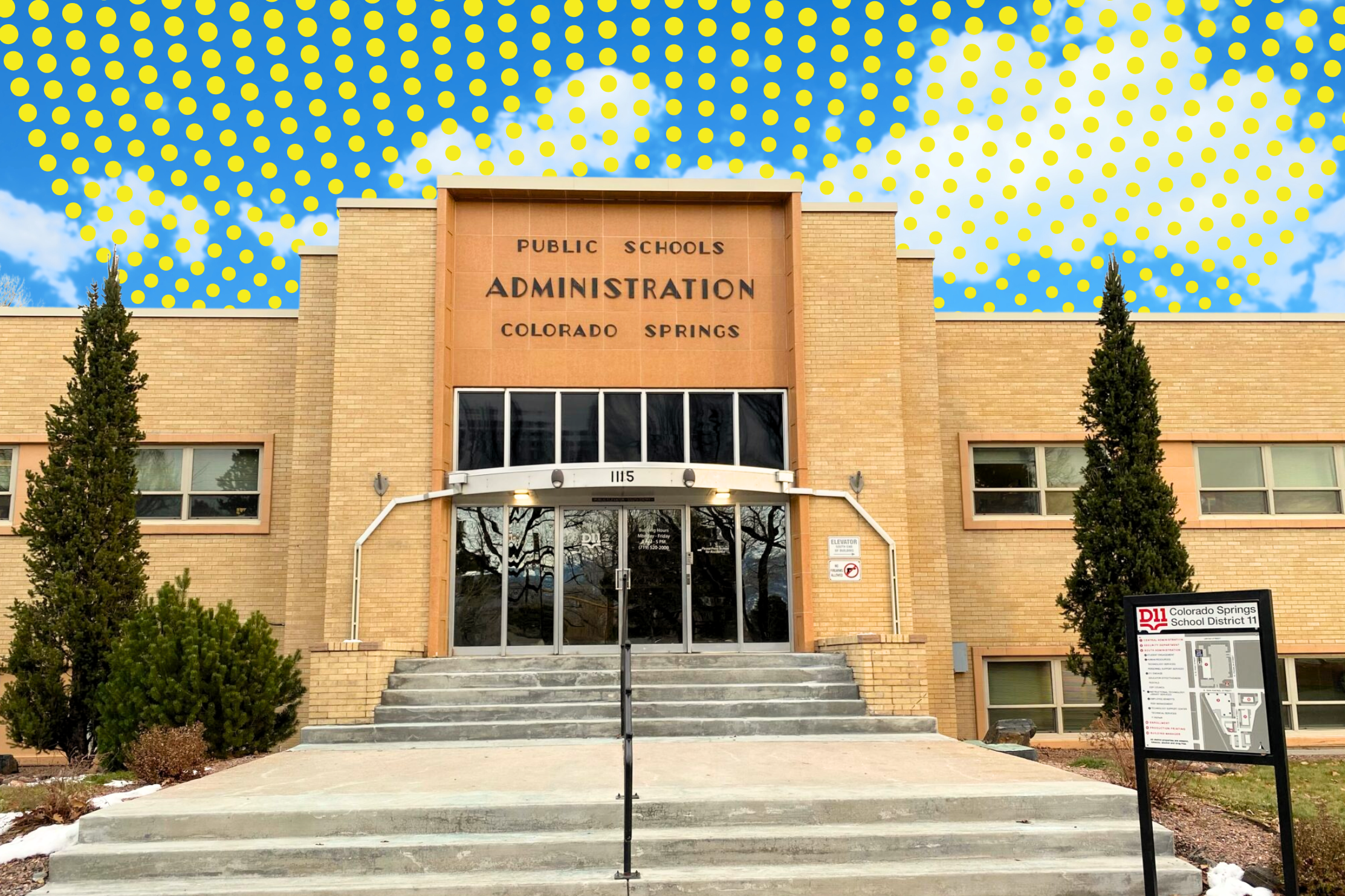
Located in southern Colorado, Colorado Springs School District 11 serves approximately 25,000 students across a diverse network of nearly 60 schools. While the majority of their student population ranges from prekindergarten through grade 12, select programs extend into years 13 and 14, reflecting the district’s commitment to supporting students beyond traditional graduation timelines. As one of the largest districts in Colorado, District 11 educates students with a wide range of interests, aspirations, and postsecondary goals. At the core of District 11’s work is a clear, student-centered aim: ensuring that every student graduates with a plan and the skills needed to succeed on the career pathway of their choice. The district emphasizes purposeful preparation for life after high school, whether that next step leads to college, the workforce, or advanced technical training.
Melissa Smith, the district’s Work-Based Learning (WBL) Coordinator, plays a key role in making this vision a reality. Smith oversees a comprehensive WBL program that begins with early career exploration, such as classroom speakers, site visits, and job shadows, and progresses toward more intensive, independent experiences including internships, pre-apprenticeships, and apprenticeships. This developmental approach ensures that students are exposed to careers and are able to build real-world skills and connections over time in ways that align with their evolving interests and goals.
To strengthen and scale this work, District 11 leaders sought to bring greater coordination and cohesion across counseling, academic planning, WBL, industry credentials, and postsecondary credit opportunities. They recognized the need for a comprehensive, districtwide platform capable of aligning these efforts within a single system and identified SchooLinks as the right choice.
SchooLinks: Connecting Coursework, Credentials, and Career Pathways
In its first year of fully implementing the SchooLinks platform, Colorado Springs School District 11 has brought counseling, academic planning, work-based learning, industry credentials, and postsecondary credit opportunities into one centralized system. SchooLinks has replaced fragmented systems with a single platform that supports course selection and academic planning, documents work-based learning experiences, captures industry credentials, and clarifies access to postsecondary credit through articulation and concurrent enrollment. By consolidating these elements, the district is making it easier for students to understand how their coursework, experiences, and credentials connect to future pathways, while simplifying coordination for educators and administrators and creating a more coherent planning experience districtwide.
Expanding Work-Based Learning Participation and Impact
Smith shared that one of the most immediate impacts of SchooLinks for Colorado Springs School District 11 has been in WBL participation. In the first year of full implementation, the district doubled the number of students engaged in documented WBL experiences. She explained that this growth was not the result of students suddenly doing more WBL; rather, the district finally had a system in place to ask the right questions, capture what students were already doing, and connect those activities to career pathways.
Through SchooLinks, District 11 implemented a districtwide WBL survey administered to students in advisory classes. Smith noted that this replaced a system that had relied heavily on informal conversations, posters, or individual staff outreach. Now, students are prompted directly within the platform to reflect on their experiences, including employment they may not have previously recognized as qualifying WBL. As a result, activities students once viewed simply as “jobs” are now accurately identified as internships, pre-apprenticeships, or apprenticeships and documented accordingly. This shift has enabled the district to capture WBL activity in real time and, where appropriate, award high school credit toward graduation. Smith also emphasized that SchooLinks has increased student ownership and awareness of their college and career readiness. Because the platform is used across counseling, academic planning, and career exploration, students better understand how SchooLinks works for them and are able to document and track their own progress.
Smith explained that District 11 views WBL as a continuum rather than a set of one-way, linear steps and noted that SchooLinks has helped the district better support students along the full continuum. For early-stage exploration, the district uses the platform to push out career speakers, site visits, and exploration events to broad groups of students. For those ready for more independent experiences, SchooLinks serves as a central hub for advertising internships and other advanced opportunities. Students are encouraged to move fluidly between exploration and hands-on experiences as they refine their interests. She described instances of some students completing internships and realizing a field is not the right fit. These students are encouraged to return to job shadows, site visits, or counseling-led exploration with greater clarity. SchooLinks documents this movement and makes opportunities visible in one place, reinforcing the idea that exploration, reflection, and growth are ongoing.
Replacing Manual Processes With a Coordinated, Streamlined System
As WBL participation expanded, District 11 also experienced a fundamental shift in how opportunities are shared, tracked, and discussed. Prior to SchooLinks, much of the district’s WBL coordination relied on manual, disconnected processes. Opportunities for job shadows or apprenticeships were often posted on physical flyers around campus. Students would scan a QR code that routed information to Smith’s office, where participation was logged in Excel spreadsheets and later shared through separate SharePoint folders for counselors and teachers to monitor. This approach required significant staff time and depended on multiple handoffs, emails, and follow-up steps. Information could be delayed or lost, and outreach often relied on students noticing the right poster or a staff member remembering to ask the right question. As Smith noted, the process made it difficult to respond quickly or tailor conversations to what individual students were actually seeking.
With SchooLinks, those fragmented steps have been replaced by a single, connected system. Students can now indicate in real time whether they are looking for a WBL opportunity or already participating in one, without navigating QR codes, spreadsheets, or multiple links. Because SchooLinks connects WBL data directly to counseling and academic planning, information is immediately accessible to the appropriate educators, reducing the need for mass emails and manual tracking.This shift has allowed District 11 to move away from reactive coordination and toward more intentional, student-centered conversations. Rather than spending time locating information or following up on incomplete data, counselors and coordinators are able to engage students in more relevant discussions about their interests, goals, and next steps. Smith emphasized that SchooLinks has not only streamlined operations, but also improved the quality and frequency of interactions with students by ensuring everyone is working from the same, up-to-date information.
Real-Time Data Insights to Support Student Success
Smith noted that one of the most significant shifts with SchooLinks has been access to real-time data across the district. As the WBL coordinator, she can see student activity as it happens, and emphasized that this data access is not limited to her role. CTE instructors, classroom teachers, and the counseling team can all view the same up-to-date information, allowing them to work from a shared understanding rather than isolated systems. As Smith described, the district has moved away from working in silos and toward a more collaborative, team-based approach. This represents a marked departure from previous practices that relied on Google Docs, spreadsheets, and static reports. Instead of manually updating files or tracking down information, educators can now quickly see where students are in their exploration, participation, and progress. The ability to view data at a glance has made it easier for staff to identify trends, spot gaps, and intervene more strategically, while reducing the time spent on administrative tasks.
SchooLinks has also changed how data and important career readiness metrics are collected from students. Students are now able to upload required materials such as timesheets and evaluations directly into the platform, eliminating the need for paper collection, scanning, copying, and physical file storage. This reinforces student ownership of the process, with students playing an active role in documenting and capturing their learning.
Smith emphasized that this shared access to real-time data allows staff to support students more effectively and efficiently. With clearer insights about students’ experiences and interests, educators can provide timely guidance, help students reflect on what they are learning, and advise them as they consider future career options. These capabilities have transformed data from a compliance requirement into a practical tool for collaboration, advising, and support.
Transforming State Reporting From Manual Entry to “the Push of a Button”
SchooLinks has transformed how Colorado Springs School District 11 approaches state reporting, significantly reducing both the time required and the potential for error. Smith explained that under the district’s previous system, compiling the required state reports was a cumbersome and manual process. Student WBL information collected through QR codes or shared links had to be collected separately, while demographic and scheduling data had to be downloaded from the district’s programming system. These disparate data sets then had to be manually merged, creating multiple opportunities for delays and human error. As a result, completing state reporting typically took four to six weeks of staff time.
With SchooLinks, that process has been completely redesigned. Students now enter their WBL information directly into the platform, which automatically connects with the district’s programming system to pull required demographic and course data. By linking these data sources within a single system, SchooLinks has eliminated the need for manual data reconciling. Smith noted that this new reporting process is both “faster and more accurate,” shifting state reporting from a prolonged, manual effort to an increasingly automated process. While the district is continuing to fine-tune reporting configurations, Smith shared that current reports are running smoothly and that the goal is to generate complete state reports “with the push of a button.”
A True Partnership Focused on Meeting the District’s Needs
For Smith, one of the most meaningful aspects of working with SchooLinks has been the level of personalized, responsive customer support. Rather than submitting requests to a generic inbox or calling a customer service line, she has a dedicated point of contact who understands both the platform and District 11’s goals. That direct access has made it easier to adapt the system, troubleshoot challenges, and get timely results.
That partnership was especially important early on. Smith explained that SchooLinks takes a personalized approach to implementation and designs a system to meet each district’s unique needs. She explained that she was, at first, skeptical about having the time and capacity to meaningfully do this work with SchooLinks. Through regular conversations with her customer support contact, they started small, tested configurations, and made adjustments when something did not work, reinforcing a collaborative, iterative approach.
Smith noted that this early investment of time ultimately allowed the district to work more efficiently with a system designed for them. Today, SchooLinks is better aligned to District 11’s processes and makes her work simpler. She continues to collaborate closely with the SchooLinks team on refinements and now shares District 11’s successes with SchooLinks with other districts across the country. For Smith, the journey from uncertainty to advocacy underscores the value of a support model rooted in partnership and collaboration, evolving alongside district priorities rather than imposing a one-size-fits-all solution.
Empowering Students to Explore, Plan, and Succeed
When reflecting on the work underway in Colorado Springs School District 11, Smith highlighted student recognition and future readiness as the outcomes she is most proud of. She emphasized the importance of valuing students not only for what they aspire to do, but for the meaningful experiences they are already engaging in. Through SchooLinks, the district is now able to capture those experiences, formally recognize them, and, in many cases, award credit that can be reflected on a student’s transcript and carried forward beyond high school.
Equally important, Smith shared, is how the platform has deepened conversations with students about their futures. Rather than focusing solely on requirements or checklists, educators are able to engage students in more substantive discussions about their goals, interests, and next steps, and to identify how the district can support them along the way. Students are encouraged to explore career clusters that align with their interests and to participate in a range of experiences, from classroom and guest speakers to site visits, job shadows, internships, and apprenticeships.
Smith described that these opportunities represent a meaningful shift from just a few years ago; students now have greater access to real-world experiences, clearer insight into their options, and more structured support as they develop plans for life after high school. This has allowed District 11 to empower their students to grow, explore, and graduate knowing who they are, what they want to pursue, and how to get there.
Related Posts
See All
How Paradise Valley Unified School District Customized CCR in Arizona with SchooLinks
Supporting College & Career Readiness at Rolla Public Schools in Missouri

Helping Students Build Postsecondary Plans in Plano ISD, Texas

Get started with SchooLinks today.
